
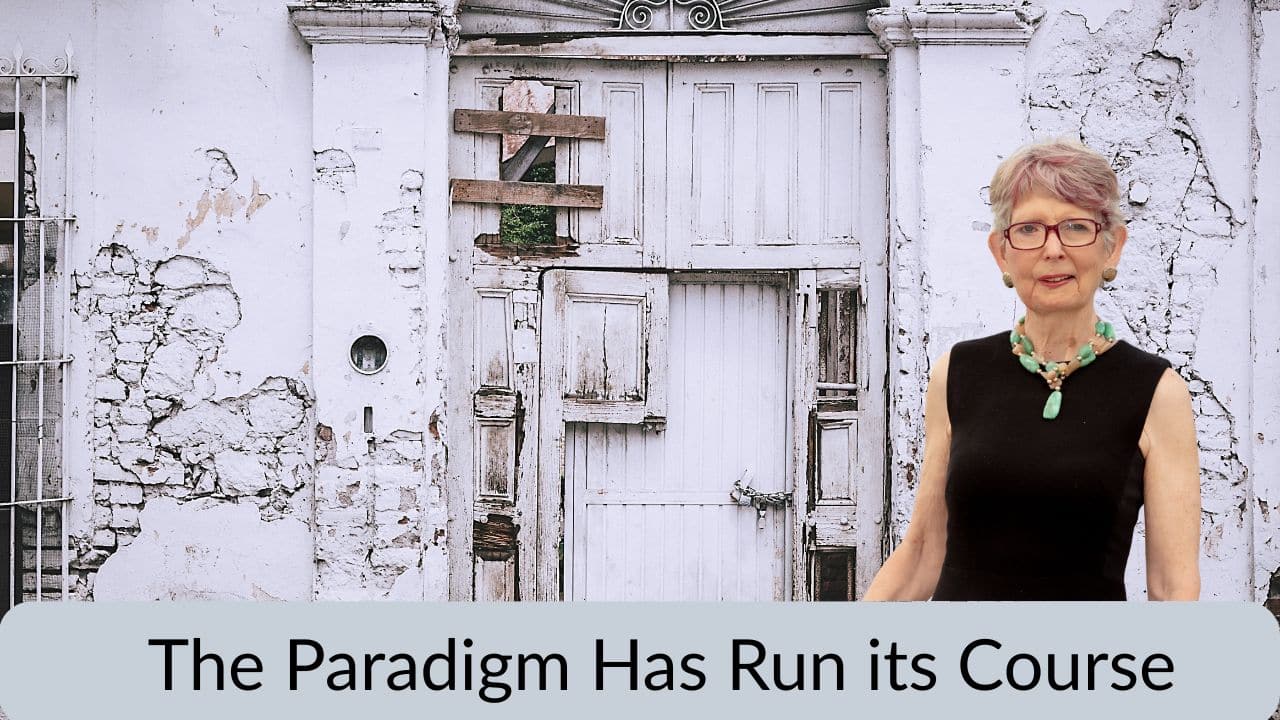
Wars that seem without end. Geopolitical fractures deepening by the day. Organisations consuming their best people. Brilliant, capable leaders who arrive full of energy and leave hollowed out. Environmental damage accumulating faster than our willingness to address it. These aren’t isolated failures. They are symptoms. Symptoms of a way of thinking that has simply run its course.
The old paradigm rests on one foundational premise: power flows downward. The person at the top holds it. Everyone else navigates it, whether it serves them or not. For a long time, that model delivered results. It built empires, corporations, systems of extraordinary scale. But it also created the very crises now staring us in the face. And here is the hard truth: more of the same thinking will not resolve them. It will make them worse.
If the problems we face were created by power over, they cannot be solved by it.
I’ve been thinking about this a great deal lately. It’s what I’m calling partnership thinking. And I want to be honest with you: power is a loaded word. Our relationship to it is complicated. Most of the senior leaders I work with have spent decades learning to acquire it, protect it, deploy it. So the idea of shifting from power over to power with others can feel disorienting, even threatening.
But here’s what I’ve come to understand, both in my own journey and in the work I do alongside leaders navigating immense complexity: the shift from power over to power within is more achievable than most imagine. And it changes everything.
Growing your personal power — your clarity, your groundedness, your sense of who you are and what you stand for — creates something remarkable. It means you no longer need to hold power over others to feel secure in your leadership. You can share it. Not delegate it. That’s still a top-down transaction. Actually share it. Invite autonomy. Create the conditions where every member of your team is genuinely encouraged to bring their thinking, their perspective, their ideas, and know those contributions will be recognised, valued and respected, regardless of where they sit in the hierarchy.
What emerges when you do that is not chaos. It is extraordinary richness. Diversity of thought. Innovation you could never have generated alone. A culture where people do their best work because they feel trusted, not managed.
I work with senior executives who are under relentless pressure: on their time, their energy, their clarity of purpose. Many of them sense that something in the old way of leading is no longer working. They’re right. The uncertainty and ambiguity they face daily isn’t just external noise. It’s the old paradigm breaking down in real time.
Partnership thinking is not soft leadership. It is, I would argue, the most demanding form of leadership there is. It requires you to develop yourself — genuinely, not performatively — before you can create the conditions for others to do the same. It requires you to hold your ground, your values and your vision, while remaining deeply open to the intelligence and experience of those around you.
Here is what I know to be true: the leaders who will navigate what’s coming are not those who hold the most power. They are those who know how to grow it within themselves, and share it with others.
That is the shift our organisations need. And I believe it is the shift our world needs too.

Leave a Reply
You must be logged in to post a comment.