
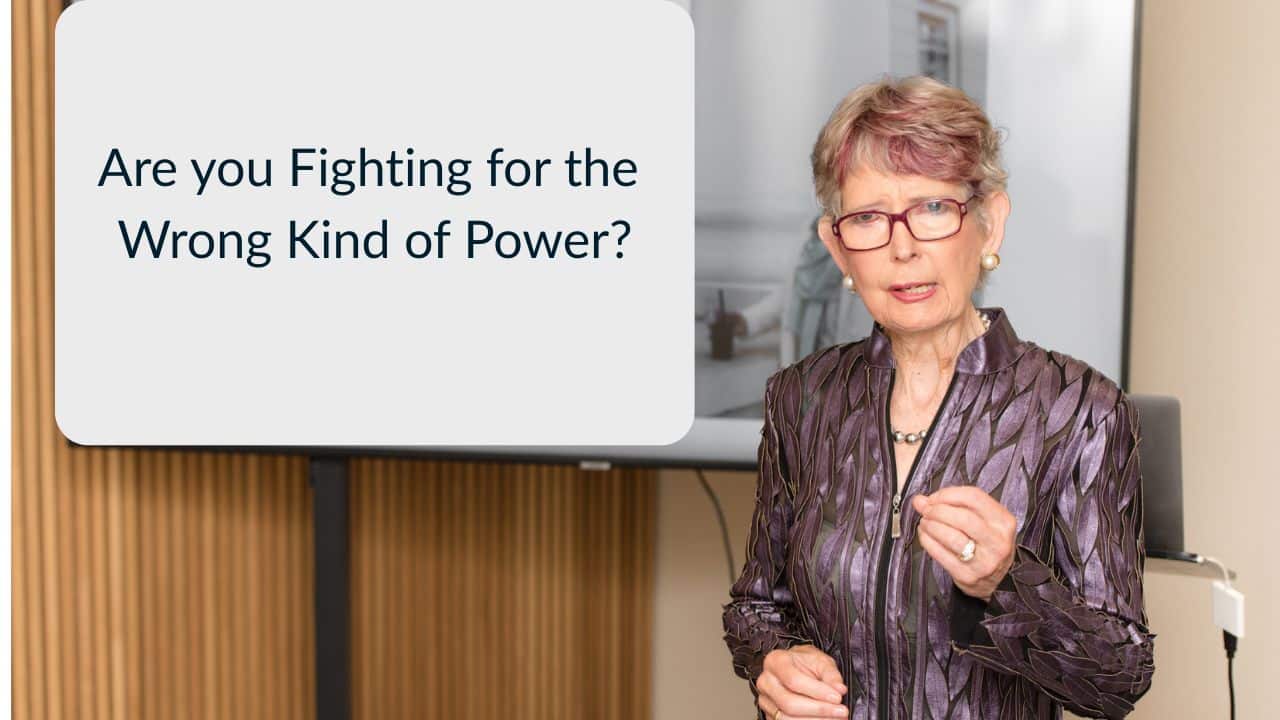
The word itself comes from the Anglo-French pouair, meaning “to be able.” That’s it. At its root, power is simply capability. Yet somewhere along the way, we buried that original meaning under centuries of control, status, and ego. Leaders, and the organisations that develop them, have been paying the price ever since.
There are four distinct expressions of power I’ve observed in leaders, and the one a leader operates from determines everything about the impact they make.
The first is ego-serving power. This is the most prevalent form you’ll find in boardrooms and government chambers alike. It’s characterised by the pursuit of control and status, and more importantly, by the exhausting preoccupation with defending them. A leader operating here is playing a zero-sum game. Their thinking is short-term, their decisions frequently reactive, and their primary loyalty is to their own agenda. The consequences? People, systems, and the environment get exploited in service of that agenda, often without the leader even realising the extent of it.
The second is positional power. The authority vested in a role or title. Management structures, operational systems, hierarchies: all of this structure exists to support positional power. And here’s the uncomfortable truth: most leadership development programmes work exclusively at this level.
They make leaders more effective at exercising positional power, and nothing more. Which is precisely why so many of those programmes fail to deliver lasting change.
But the most exceptional leaders I’ve worked with have moved beyond both. By getting genuinely clear on their purpose, and choosing to lead with integrity, they begin to earn something no title can confer: trust. And with trust comes personal power. This is what I think of as power within and power with others and it’s where authentic influence lives. Not influence manufactured through authority or political manoeuvring, but the kind that shapes culture, draws out the best in people, and creates change that actually sticks.
Evolve further still, and a leader steps into generative power. This is the rarest and most remarkable expression. It expands the capability of the whole system, by developing other leaders, encouraging diverse thinking, strengthening culture and purpose, and creating positive impact that outlasts any individual. This is when power can genuinely be shared. And when it is. When generative power is coupled with well-exercised positional power, so many of the challenges that exhaust senior leaders simply dissolve. Talent drain. Failed initiatives. Disengaged teams. These aren’t strategic failures. They’re symptoms of a leadership operating from the wrong kind of power.
Here’s what I invite you to consider: Where are you drawing your power from right now?
Not the answer you’d give in a keynote or a performance review. The honest one. Because ego-serving and positional power aren’t wrong, exactly. They’re simply insufficient. They can build a career. They rarely build a legacy.
The leaders I most admire have done the inner work to move through those earlier expressions of power. They’ve traded the need for control for a commitment to contribution. They’ve learned that the most powerful thing they can do, in any room, any conversation, any decision, is not to assert dominance, but to expand what’s possible for the people around them.
That’s not a soft idea. It’s the most strategically sound leadership move you’ll ever make.

Leave a Reply
You must be logged in to post a comment.